
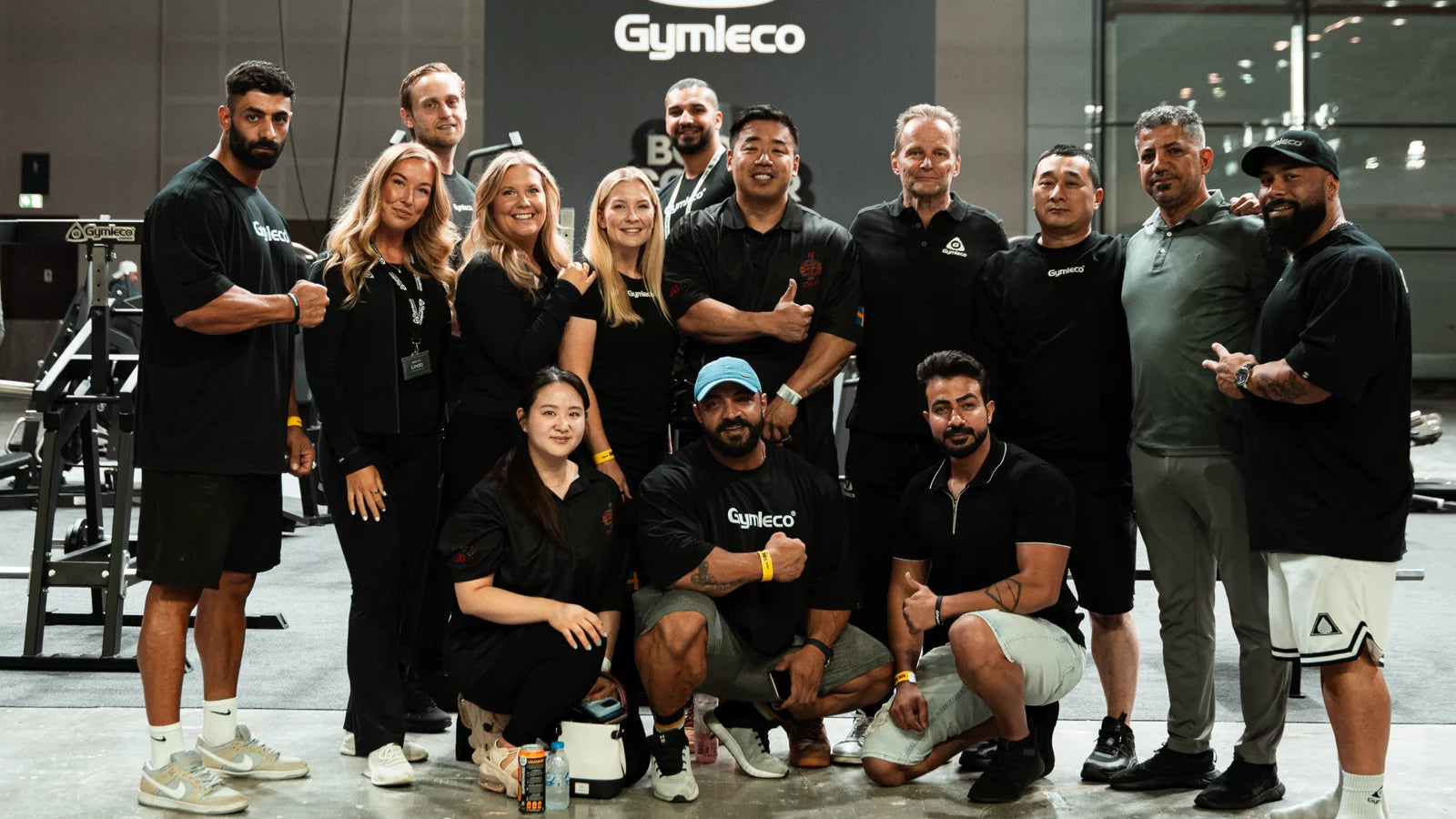

Many people who train their glutes feel the burn – but still don’t see changes in shape. It’s rarely about motivation or how hard you push yourself. It’s about how you train.
Your glutes respond best when you:
1. Train in the right angles so the muscles are properly activated and loaded.
2. Focus on the hips, not the lower back or knees
3. Apply progressive overload over time (small increases → big results)

Understanding Your Glutes
The glutes mainly consist of two muscles:
- Gluteus Maximus – size, power, and “lift”
- Gluteus Medius – roundness on the upper/side area
If you want well-developed glutes, you need to train both.
1. Train the glutes in the shortened position – for connection and peak contraction
This is where your glutes are most active, when you push your hips forward and fully lock out at the top.
It’s also where many people cut the movement short instead of finishing each rep.
To get more out of your glute training here, focus on squeezing your glutes hard at the top and holding the position briefly before lowering the weight with control. Every rep should feel “complete,” not rushed.
This is key to building that tight, lifted look.
Recommended exercises / machines
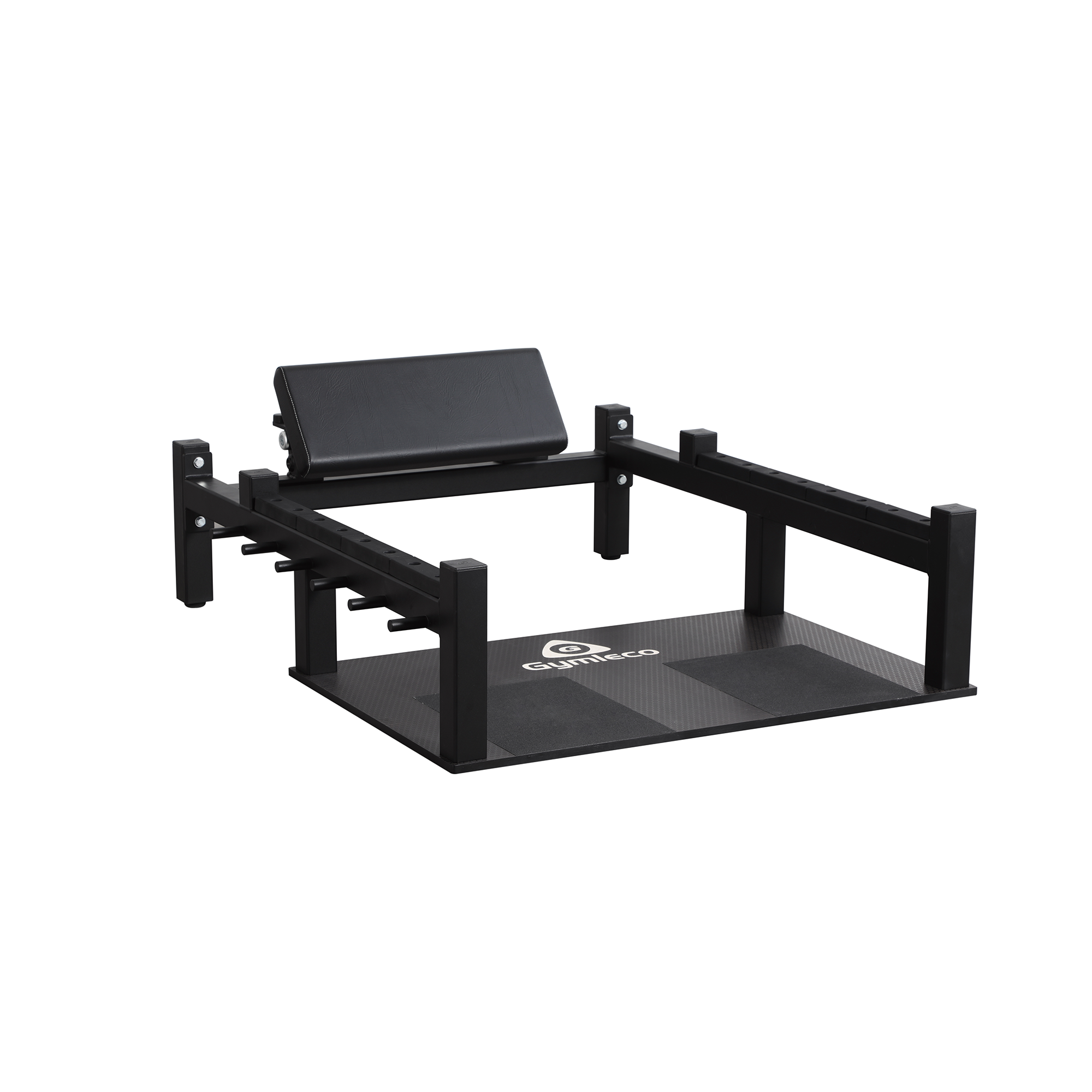
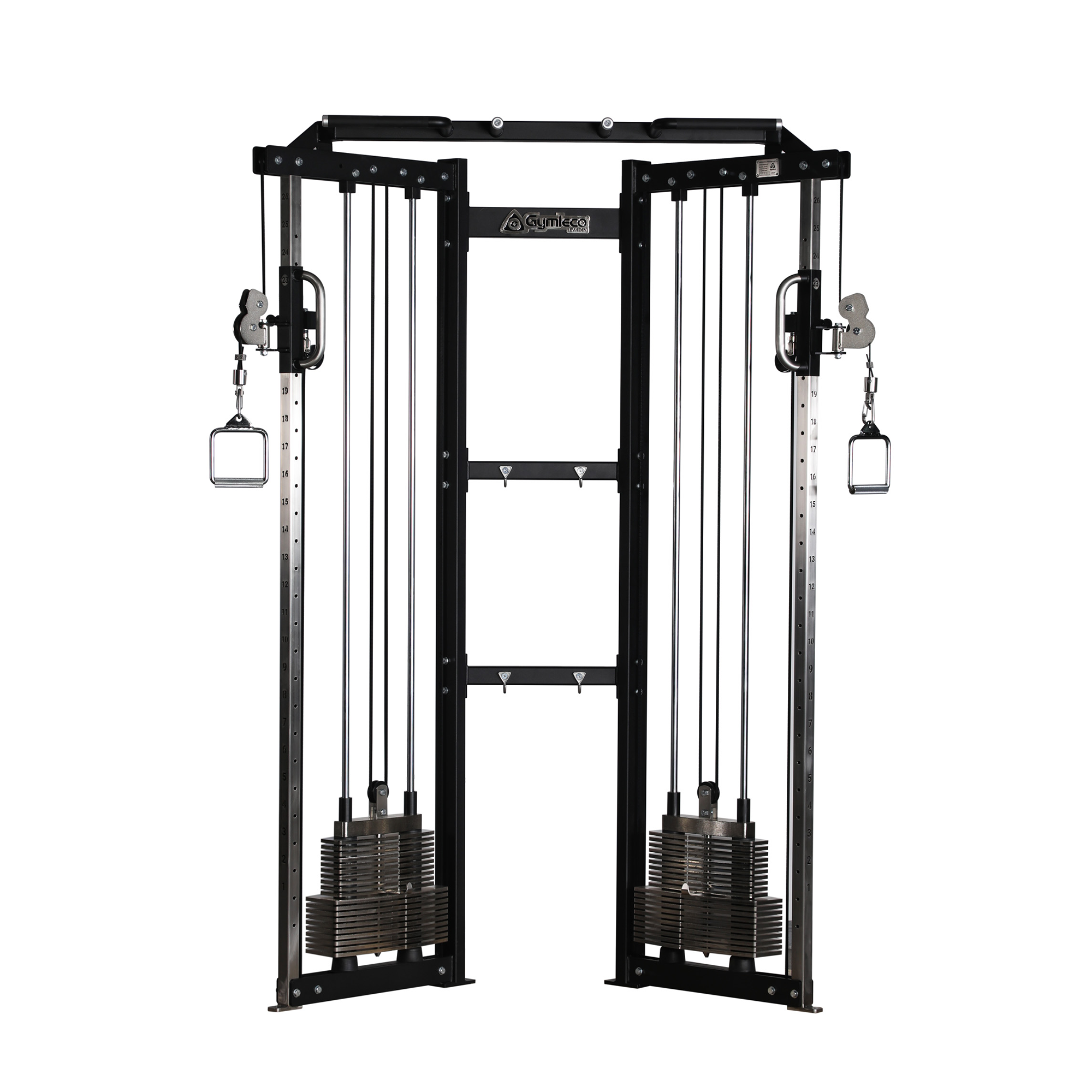
Cable Kickbacks
Gymleco 226 Dual Adjustable Pulley
- Kick straight back, attached with cable + ankle strap
2. Train the glutes in the lengthened position – builds shape and volume
A lot of muscle growth happens in the stretched position.
Here, it’s not just about going deep – it’s about maintaining tension at the bottom.
Many people go too heavy and lose both depth and control. Instead, focus on a controlled descent and only go as deep as you can while keeping proper form.
As you come up, think about pushing through your heel and driving the movement with your hips. This is where you build real volume and shape.
Recommended exercises / machines
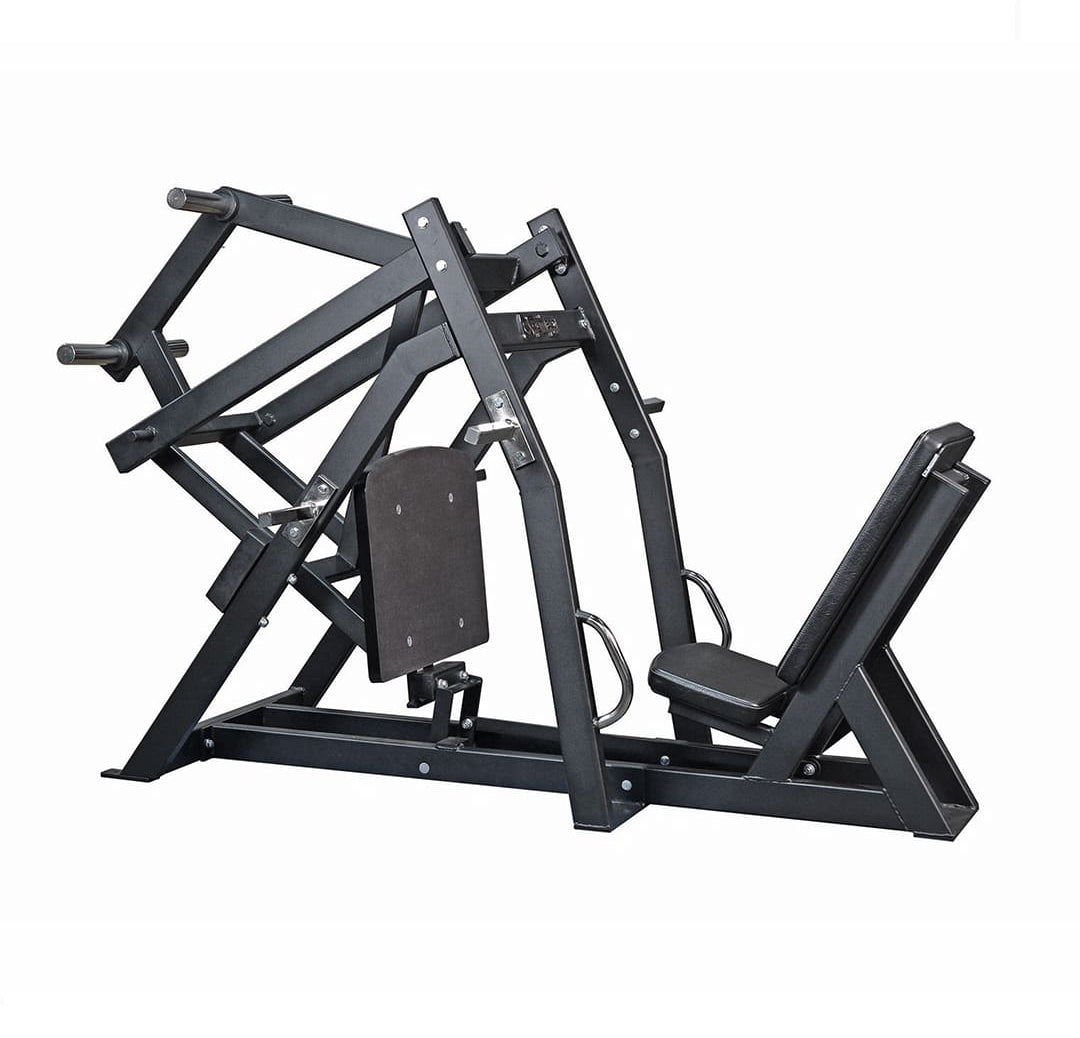
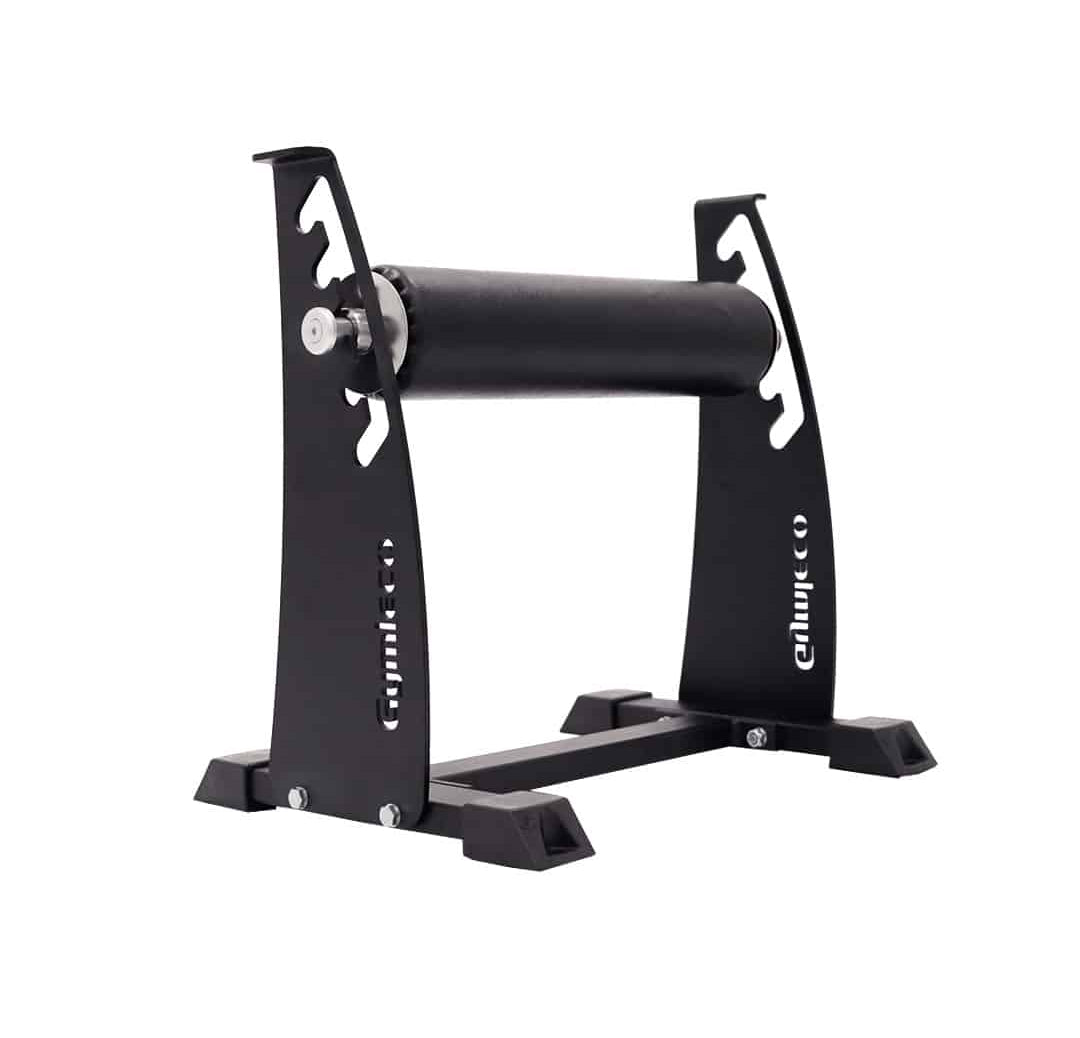
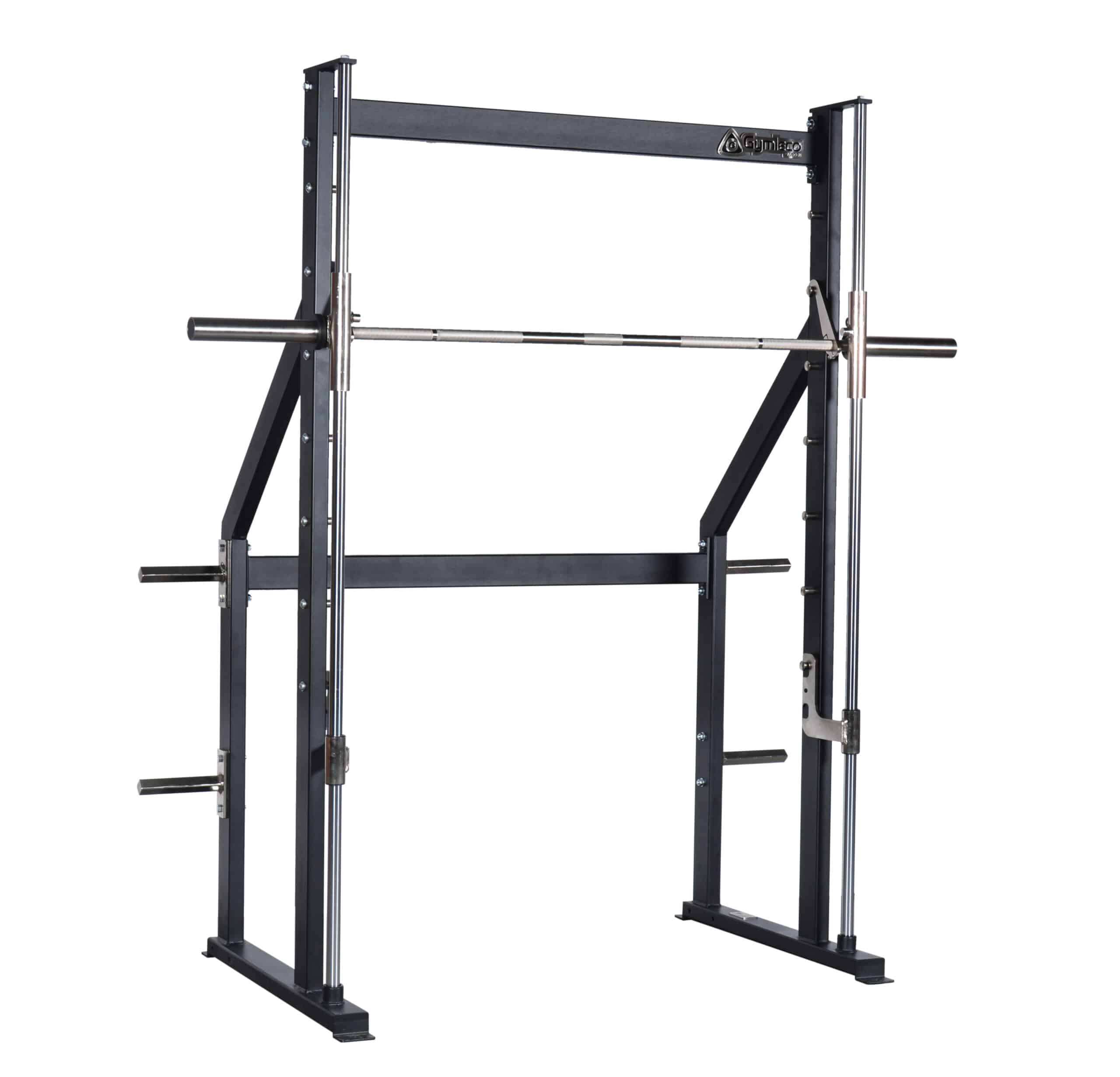

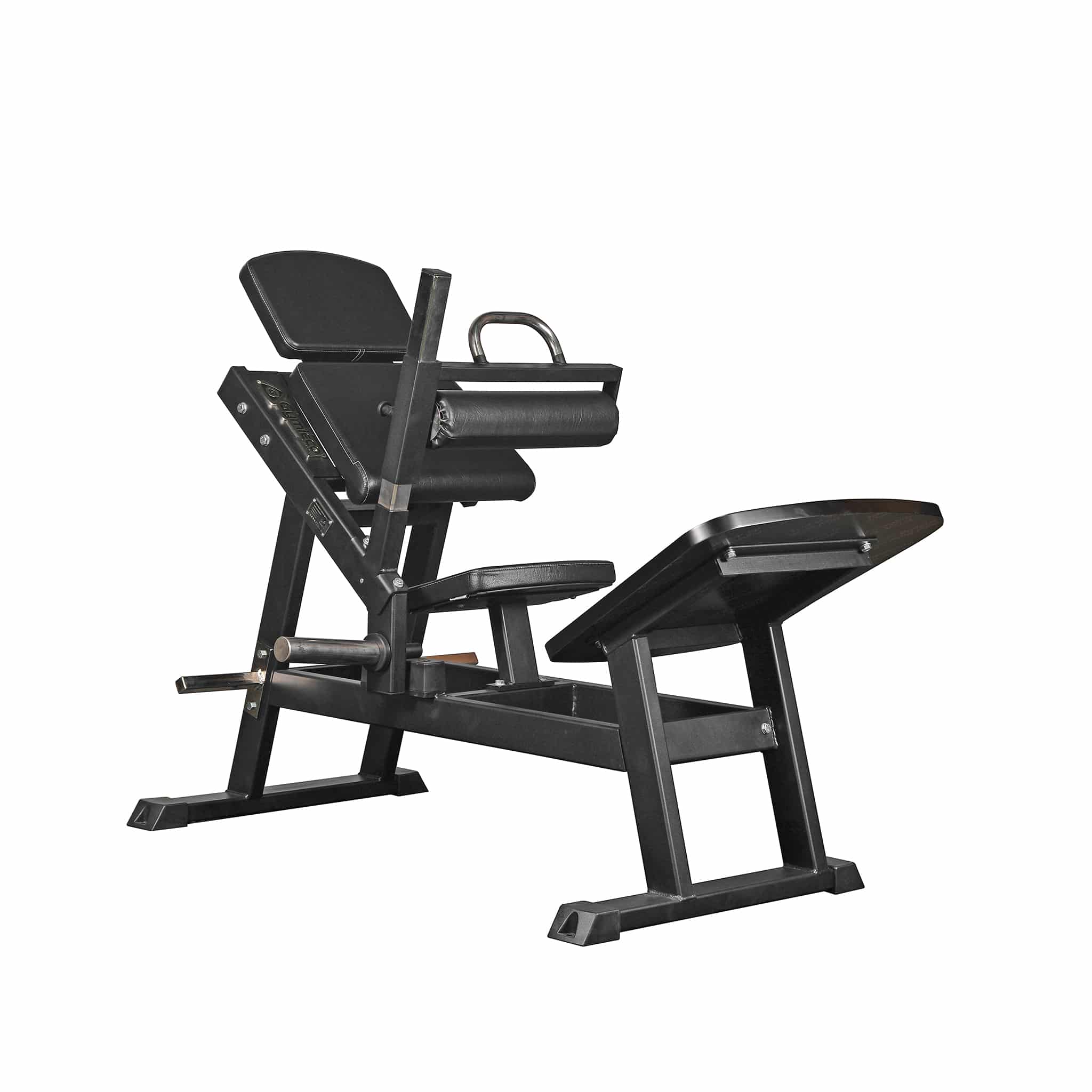
Why Gymleco’s 893 Makes a Difference
Many people struggle with Bulgarian Split Squats because balance becomes the limiting factor instead of strength. As a result, the focus shifts away from the glutes to simply staying upright.
With a stable setup like the 893, you can instead focus on driving through the movement, maintaining control, and reaching proper depth in every rep. This allows you to target the right muscles more effectively – and progress over time, which is what ultimately leads to real results.

3. Add a hinge movement – the key to strength and “thickness”
Hinge movements like Romanian deadlifts and good mornings teach you how to properly use your hips – which is essential for effective glute training.
You should feel a stretch in your hamstrings and glutes while keeping your spine stable. Focus on pushing your hips back rather than bending forward.
Keep the bar close to your body and your chest proud throughout the movement. Once you get this right, you’ll create much more tension in your glutes.
Recommended exercises:
1. Romanian Deadlifts (RDL)
2. Good Mornings
4. Train the gluteus medius – for roundness and lift
The gluteus medius is often what’s missing when the glutes look flat from the side.
This muscle contributes to the upper and side “roundness.”
Here, it’s less about heavy weights and more about control and muscle connection. Slow down the movement, hold the contraction briefly at the top, and make sure the right muscle is doing the work.
This is the detail work that makes a visible difference.
Recommended exercises / machines
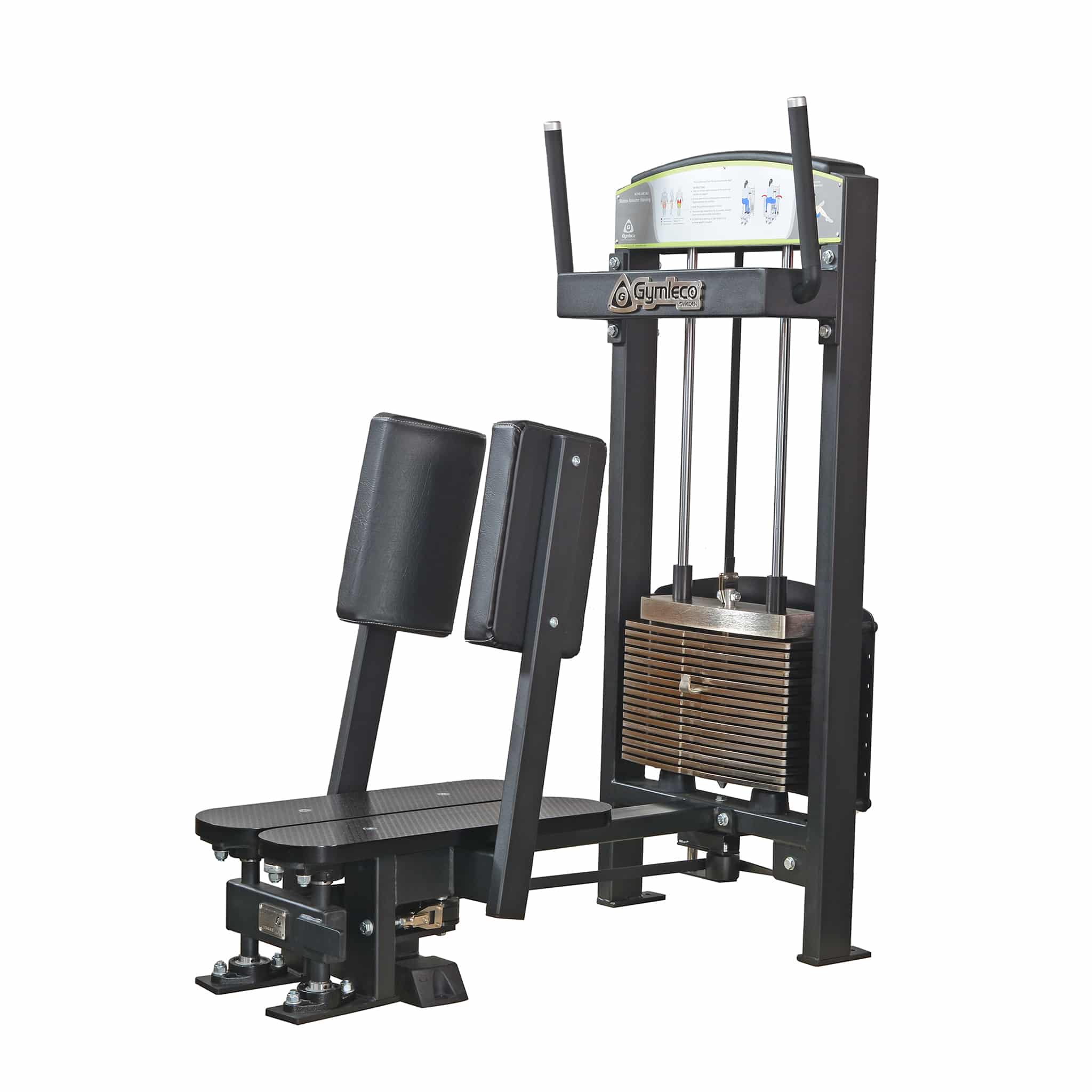
Standing Abductor
Gymleco 362 Standing Abductor
- Perfect for isolating the gluteus medius.Reps: 12–20 with controlled peak tension.
5. What actually drives results: progression
You don’t need more exercises – you need to get better at the ones you’re already doing. Real progress doesn’t just come from adding more weight, but from improving how you perform each movement. That can mean refining your technique, building a stronger mind-muscle connection, moving with more control, or increasing the time your muscles stay under tension.
These small improvements might not feel significant from one week to the next, but over time they add up and lead to real, visible results.
Glute Workout Routine
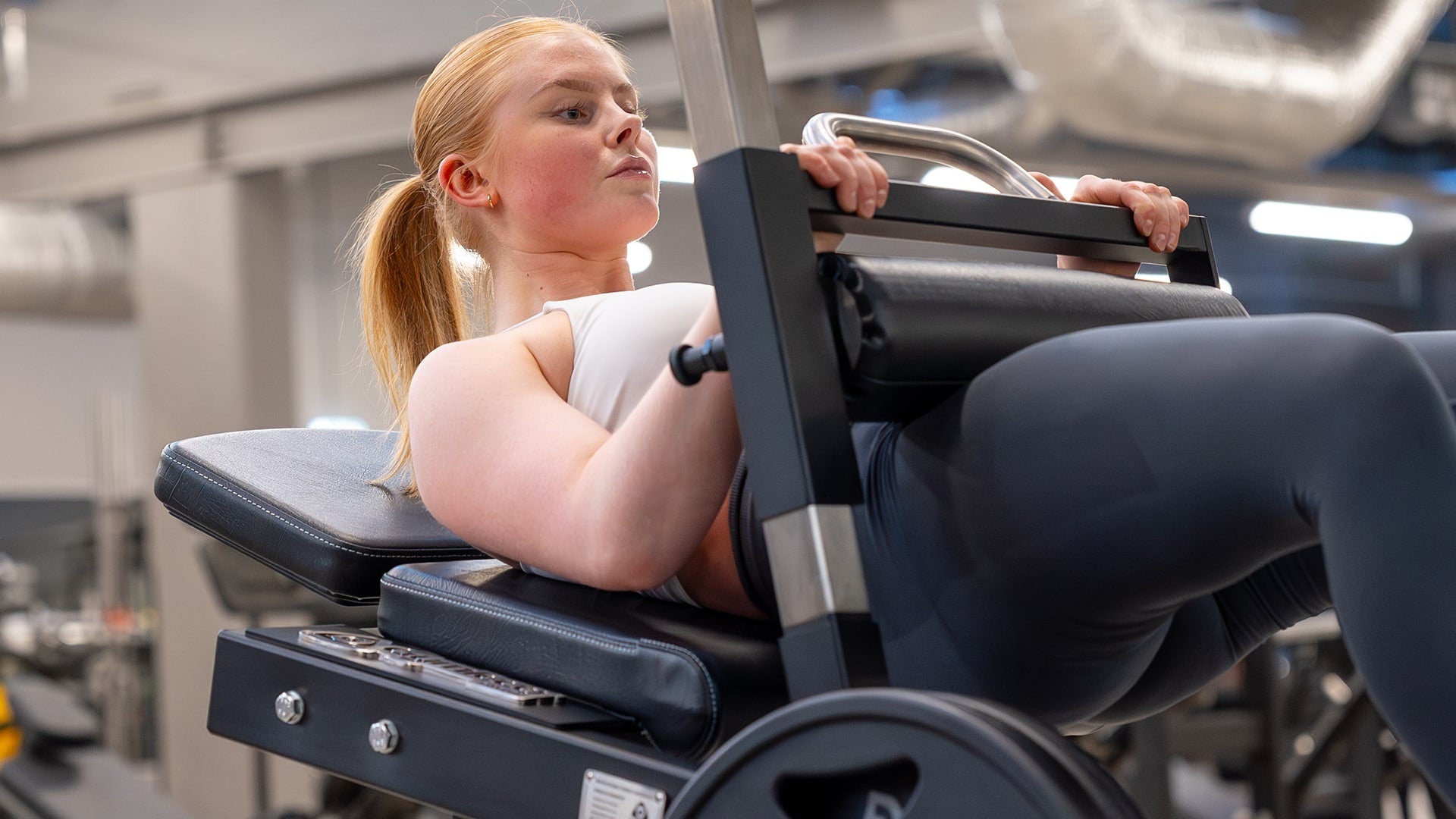
1. Shortened position –
Hip Thrust
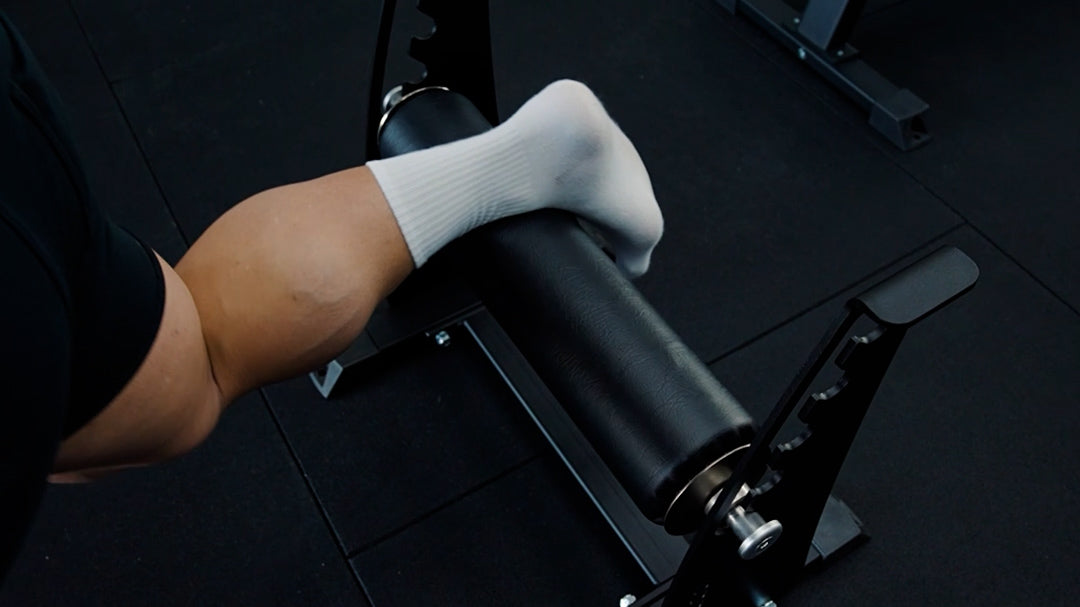
2. Lengthened position –
Bulgarian Split Squat
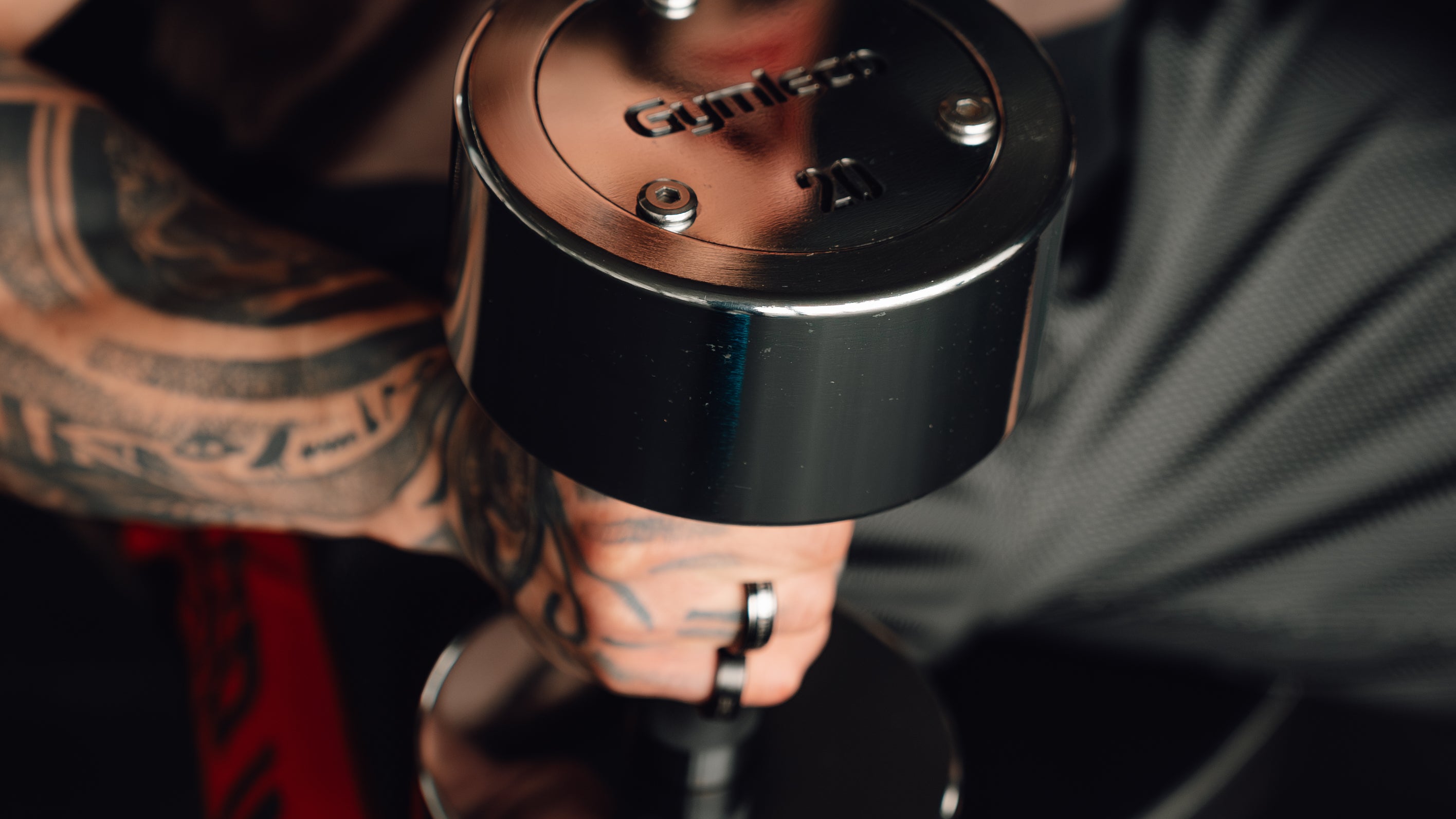
3. Hinge –
Romanian Deadlift (dumbbells or barbell)
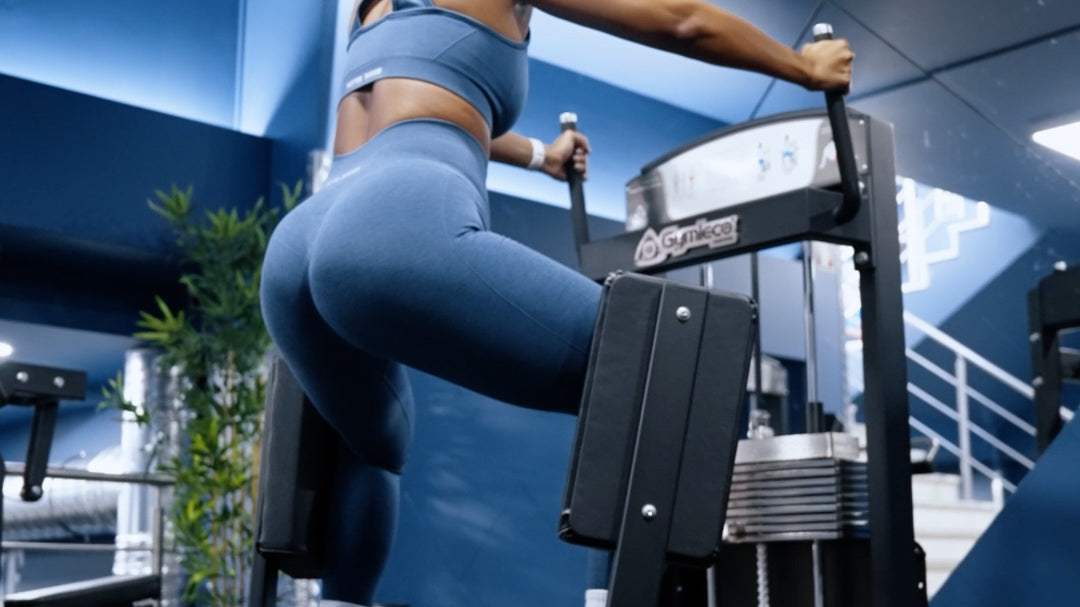
4. Gluteus Medius –
Standing Abductor

About the Author – Ashkan Aghili
Ashkan Aghili is a personal trainer, online coach, and competitive NPC Classic Physique athlete with over 20 years of experience in training and bodybuilding. He combines practical experience from the stage with years of coaching, helping both beginners and advanced clients develop.
In 2025, he made a strong comeback in NPC competitions with multiple top placements in Classic Physique – proving that he not only teaches training but performs at a high level himself.
What makes Ashkan unique is that his approach isn’t based on trends, but on what actually works in practice. In this guide, he shares the exact principles he uses to build strong, well-developed glutes – from exercise selection and technique to long-term progression.